Why buy an RV? (and what I didn’t expect)
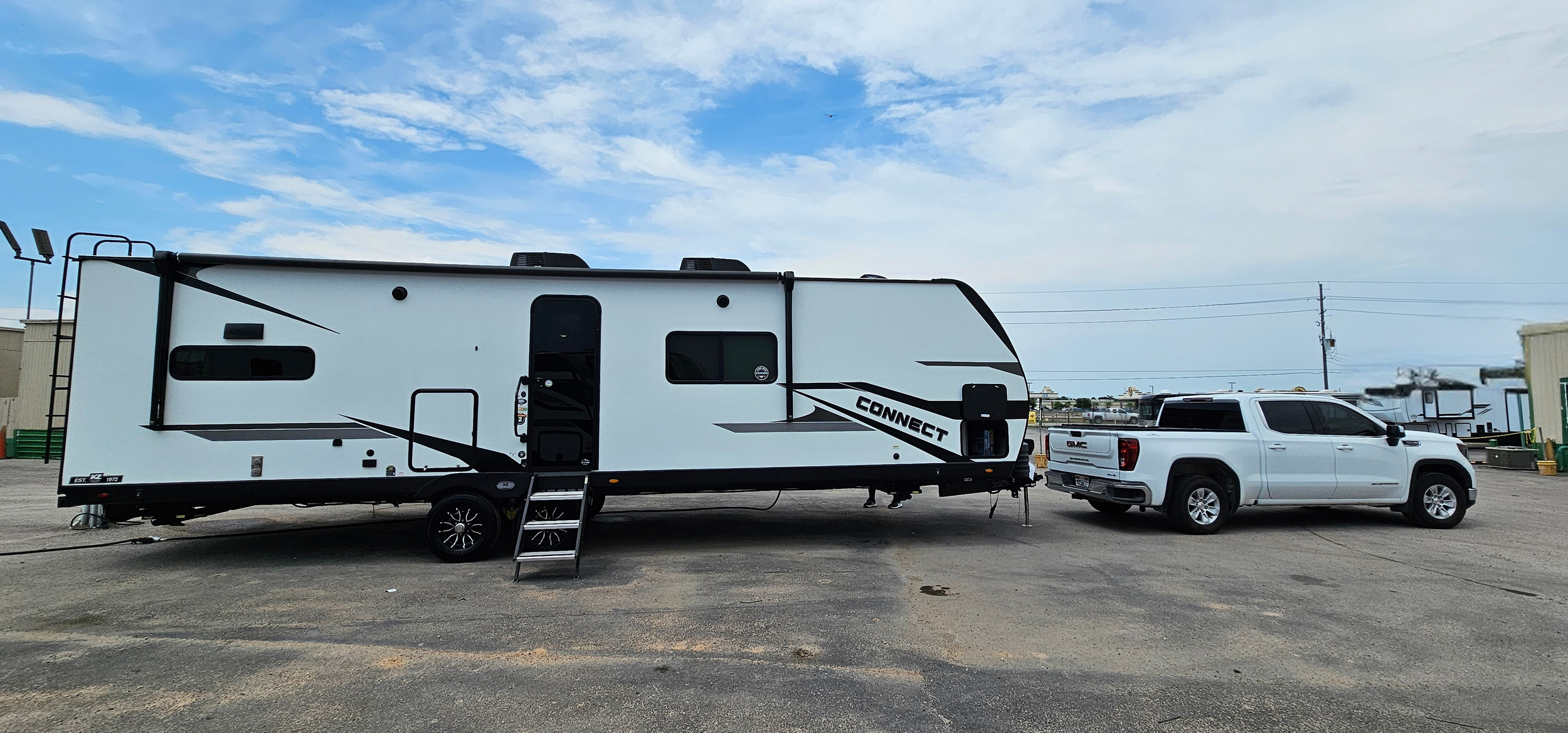
Who let me buy this RV?!
For many, the idea of RV living conjures up images of freedom, wide open spaces, and a significantly lower cost of living. It certainly did for me. My decision to buy an RV wasn't an impulsive one; it was a blend of practical necessity and a yearning for a particular lifestyle. But like many dreams, the reality has proven to be a little more complex—and certainly more expensive—than I initially anticipated.
The Breaking Point: Big Spring Rent
But let’s be real—I didn’t buy an RV because I’m some Pinterest-worthy minimalist nomad. My primary motivation was financial. As someone who works on the road, the cycle of renting felt like throwing money down the drain.
I bought an RV because Big Spring, TX charged me $2,300 a month for a one-bedroom duplex with tissue-paper walls.
When I say tissue paper, I mean I could literally hear my neighbor sneeze. Every phone call. Every bachata night. Every… everything. Paying $2,300 just so I could sleep sharing a wall with someone who snores?
No. Absolutely not.
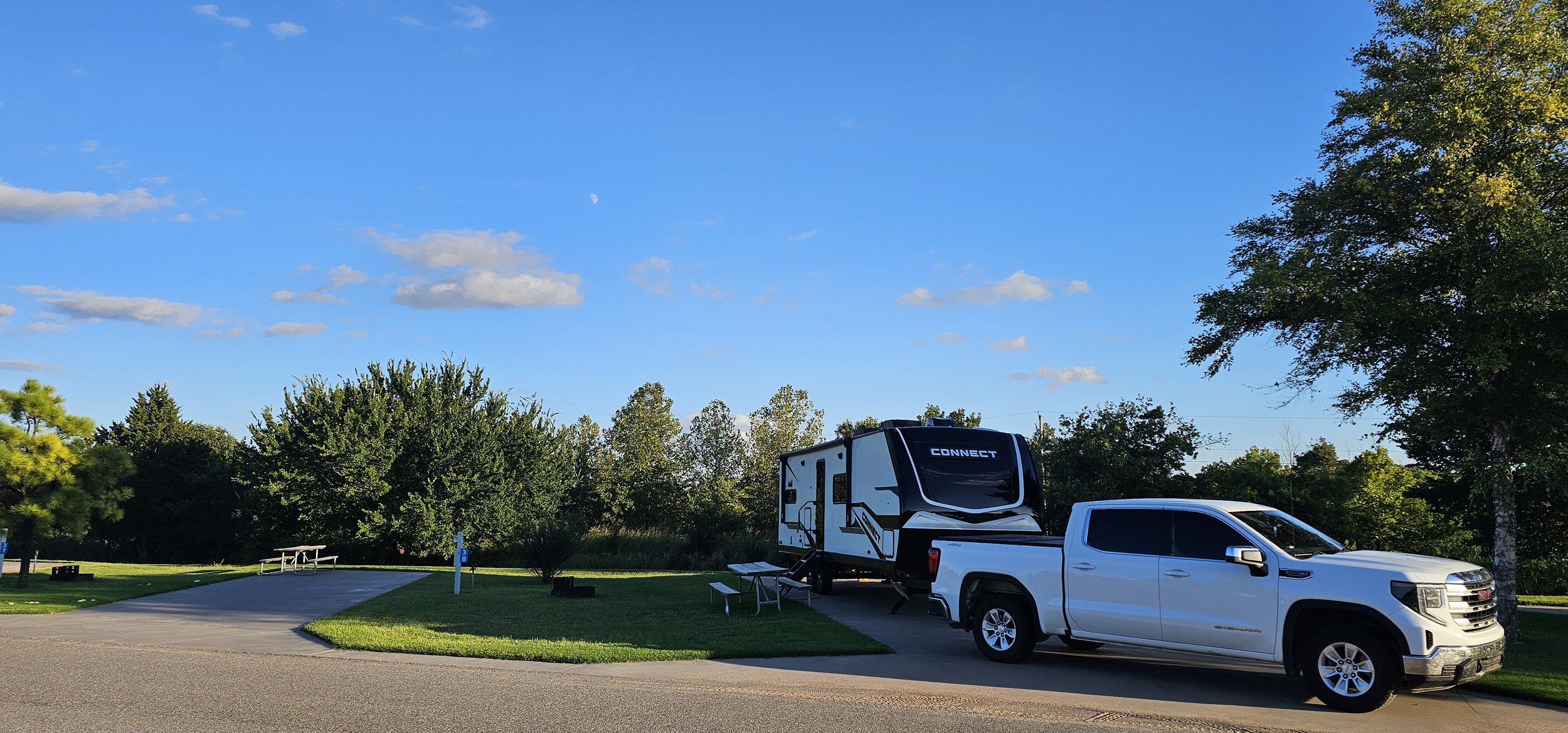
My vision: clear blue skies, lush greenery, and no neighbors.
A Home I Could Take With Me
The RV became the logical solution:
Work on the road? Check.
Cheaper than renting? Technically, yes, but also no.
A space that’s mine, private, quiet, and movable? Huge yes.
Owning an RV felt like the closest thing to the van-life dream I’d been romanticizing for years. But it ended up feeling more meaningful—mine.
Let’s be honest for a second.
I bought my house as an investment, partly to create stability and partly to give my mom and sister a secure place to call home. And I don’t regret that at all.
But the RV? This one wasn’t for anyone else. This was for me—for work, for adventure, for serenity.
It felt like the first time I carved out space in my life that wasn’t rooted in responsibility, but in desire.
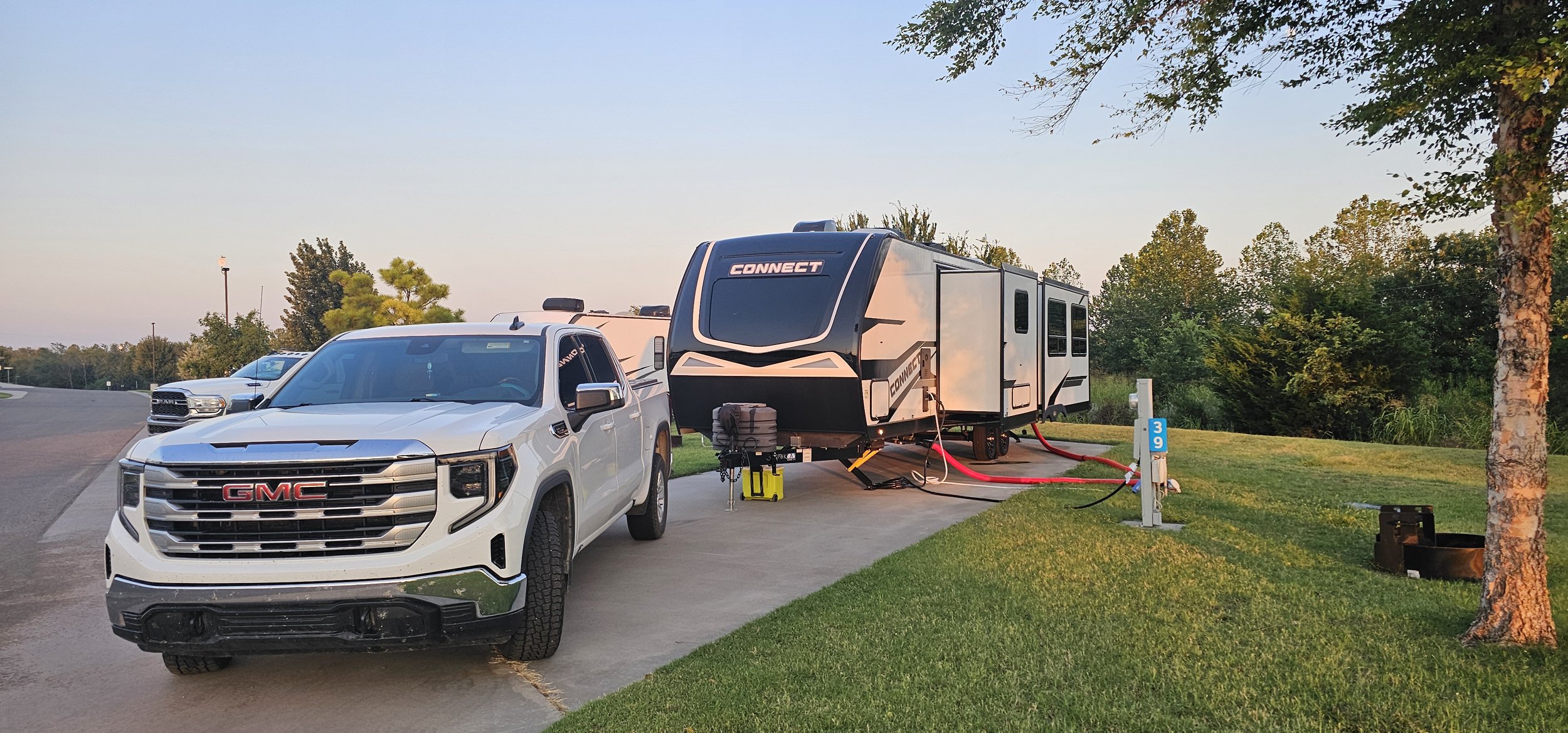
The non glamourous side of the RV with the dump/ sewage hoses, water hose, and electrical plug.
The Plot Twist I Didn’t Expect
But here’s the part I didn’t see coming:
Owning an RV can cost more than renting. Especially when you’re a bougie b like me.
The initial savings from ditching rent were quickly offset by a cascade of new costs that demanded much more than the $2,300 I was trying to escape. The purchase price was just the down payment on a new lifestyle of expenses and chores.
There are the ongoing payments for the RV itself, of course, but those are only the beginning. Suddenly, I became responsible for maintenance that a landlord would typically handle. Tires, water system repairs, furnishing, and stocking the tiny space—it all adds up. Factor in campground fees, insurance, and registration, and the monthly tally starts to climb well past that $2,300 mark. FUTURE LINK HERE FOR MONTHLY RV COST.
The freedom of the open road comes with a hidden price tag of continuous labor.
New problems. New upkeep. New learning curves.
You're not just moving into a home—you’re moving into a home on wheels, which comes with a personality, quirks, moods, and a list of chores no one warns you about.
It’s a demanding sancho that requires constant maintenance.
The RV dream is still alive, but it’s a far cry from the inexpensive, carefree existence I envisioned.
Would I Do It Again?
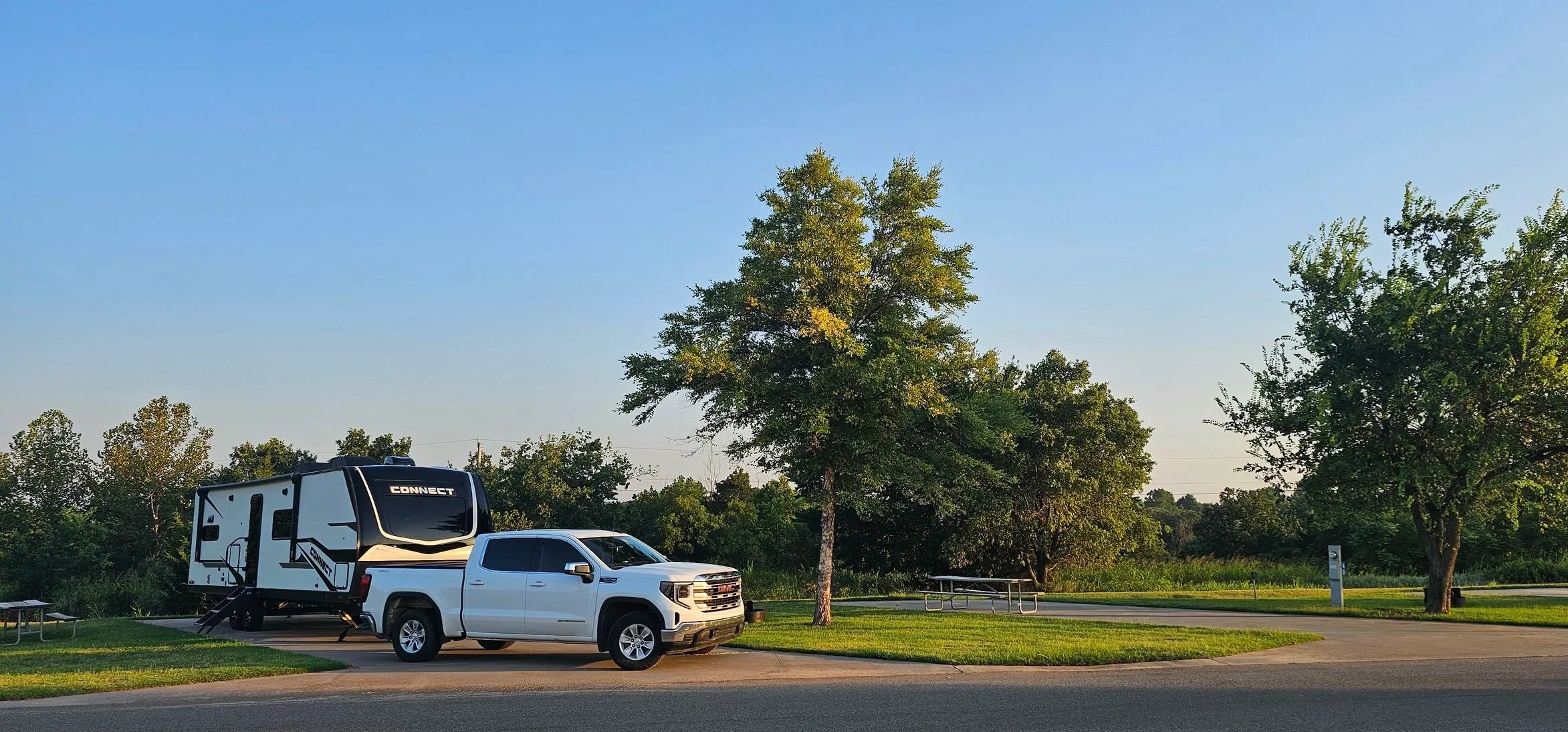
Summer sunsets surrounded by trees
YASSSS.
For years after exploring Yellowstone National Park in a campervan, I romanticized the idea of living with a smaller footprint, being mobile, and opening my front door to nature.
So… even on the hard RV troubleshooting days, the expensive days, the “how tf did I think I could do this?” days, I am grounded in the peace and serenity of being surrounded by nature instead of neighbors.
I initially thought I was buying an RV to save money.
Instead, I created my sanctuary on wheels, I tasted freedom, and fulfilled that little piece of the van-life dream that’s been tugging at me since Yellowstone.
The truth is, I’m paying more now, and I’m doing more work to maintain, furnish, and supply my own place. But there's a key difference: this demanding space is mine. It’s a trade-off: higher cost and effort for total ownership and the undeniable joy of having my sanctuary travel with me.
The lesson learned? "Cheaper" is a relative term, and the true cost of the RV life is measured not just in dollars, but in the time and dedication you pour into keeping your dreams rolling.